Summary
- Western Express faced safety challenges on irregular routes with unfamiliar roads and customer sites.
- Weigh Station Bypass (Formerly Drivewyze) provided proactive in-cab alerts, custom geo-fencing, and analytics to coach drivers.
- Accident rates dropped 22% over 24 months, with lower claims, repair costs, and improved compliance.
Weigh Station Bypass (Formerly Drivewyze) as Part of its Solution
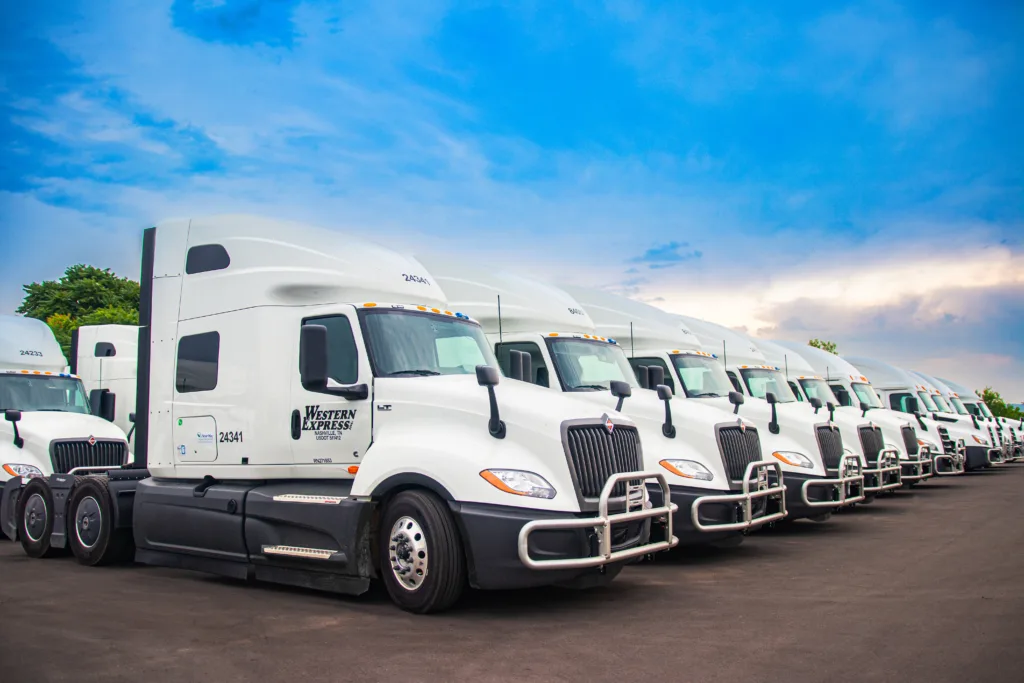
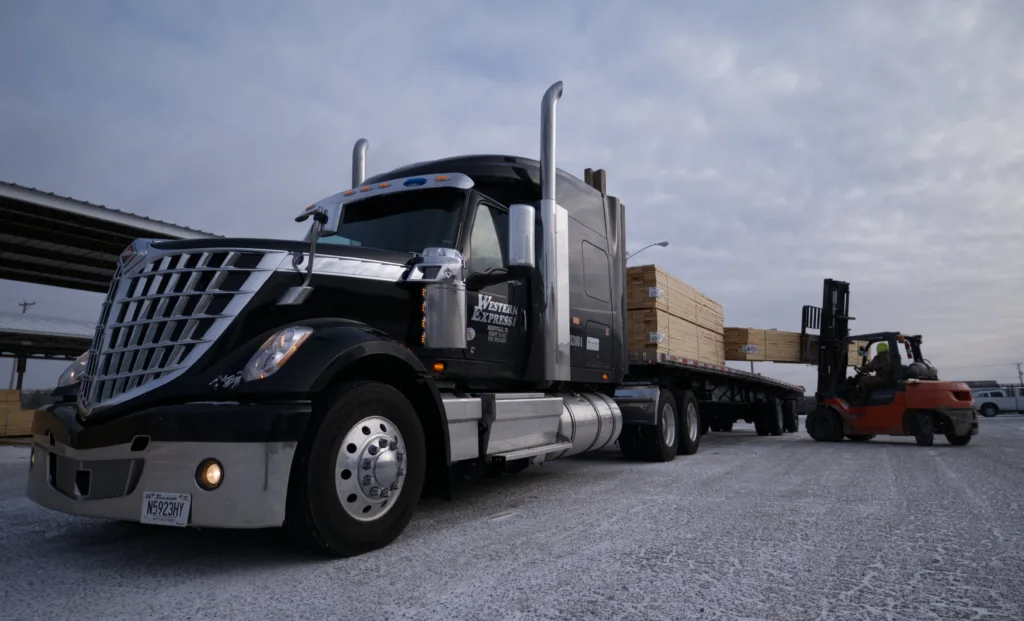
Western Express is an asset-based truckload carrier with more than 3,600 power units and 8,500 trailers. Based in Nashville and founded in 1991, the company runs more than 371 million miles annually and operates a diverse fleet that runs flatbed, van and logistics. The company has six hubs and runs coast-to-coast, mostly irregular routes.
The company’s website says it best: “Our mission is to serve the needs of our customers by providing innovative transportation solutions that exceed their needs, while maintaining a profitable business and personal growth of our associates. We strive to do all within our power to keep our associates, our customers, and the public safe.”
Challenge
Since most of the miles driven by Western Express drivers are irregular routes, there is the challenge of unfamiliar roads, bridges and new customer locations. Each presents its own test as drivers typically see something new every day. While accident rates for Western Express are better than the industry average, the company is committed to continuous improvement when it comes to safety.
The company has three pillars in safety: Awareness, Continuous Training, and Technology. “Those three have to work together,” explained Daniel Patterson, Western Express’ director of safety. “Having them in place pays dividends for our drivers and our company. But moving forward, we were hopeful new technology and training could improve our safety program even further. So, we set an optimistic goal of a 15% reduction in accidents per million miles over a two-year period.”
The challenge for Western Express, as Patterson explained it, was, “What will make the most impact for us? How will drivers respond to that technology? And, what kind of results will the company see?”
Solution
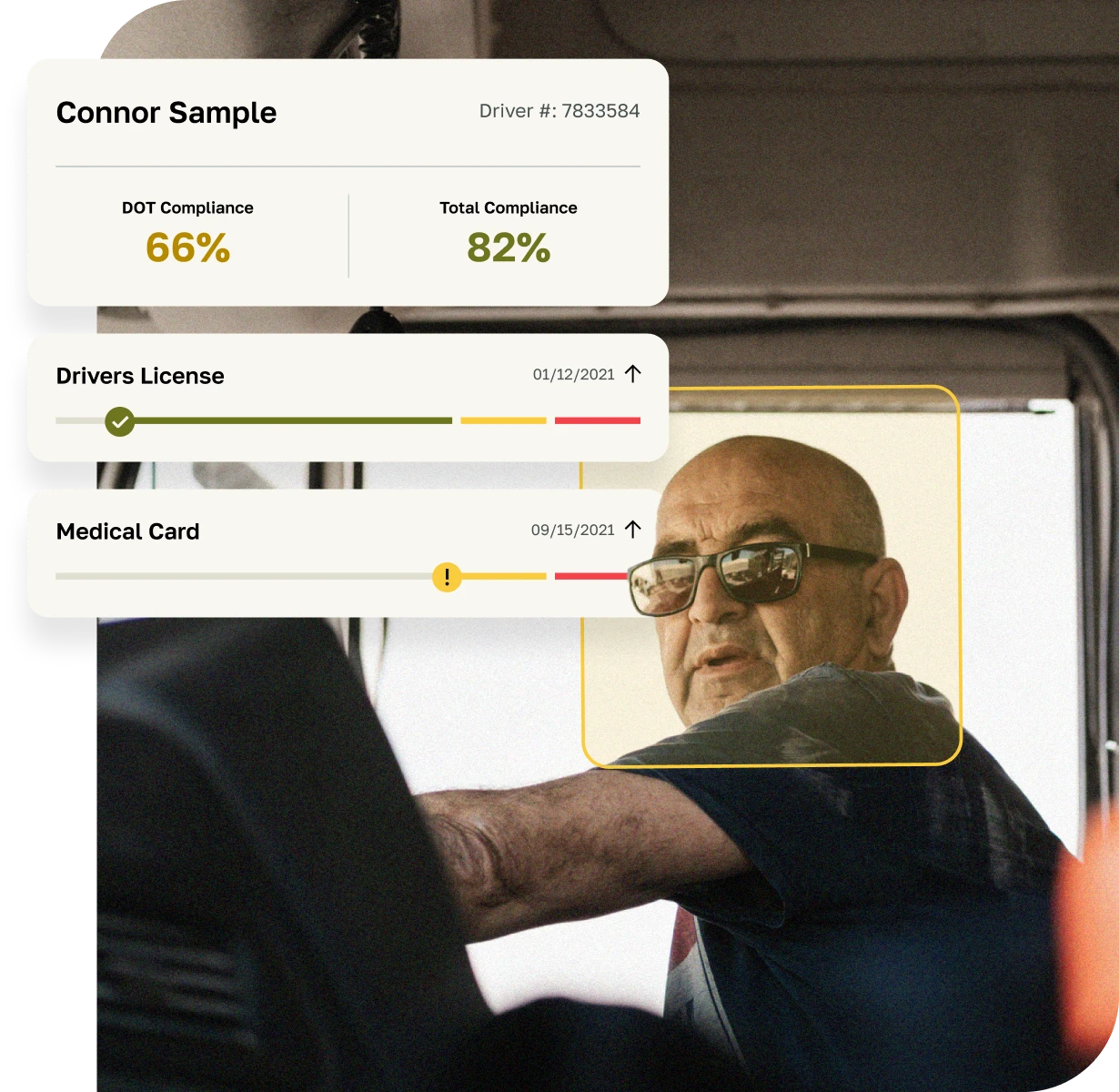
Regarding technology, a big part of Western Express’ strategy is using Weigh Station Bypass (Formerly Drivewyze). According to Patterson, proactive in-cab notifications for upcoming road hazards; the ability to create custom safety notifications; and a portal to track driver behavior and then coach drivers based on results, have helped the company immensely.
When it comes to the custom geo-fencing capabilities of Safety+, Western Express has created more than 350 custom zones, 300 of which are at customer sites.
The company is also using forward-facing cameras and technology to help govern speed on interstates, and when approaching a low bridge.
Result
Patterson didn’t reach his initial goal of a 15% reduction in accident rates; he blew past it. In 24 months, the company achieved a 22% improvement in its accident rate. It has meant lower claims costs, repair bills (Western has its own repair facility), insurance rates, and better customer service, the company has won numerous Carrier of the Year awards from its customers.
With Weigh Station Bypass (Formerly Drivewyze) and its rollover notifications (which alerts drivers 1000 feet before curves and intersections with significant rollover history), Western Express has seen a 20% reduction in speed when a driver is notified. “Through Weigh Station Bypass (Formerly Drivewyze) analytics, we’re 1.6 mph below average in speed as compared to other fleets getting Weigh Station Bypass (Formerly Drivewyze) notifications,” said Patterson. “That validates to us that the notifications work.”
“We can then deep dive to see where the issue is. We can even identify patterns based on the lane, or the customer. This information is powerful and allows us to implement added safety measures, such as custom messages to our drivers, to corral the problem.”
Daniel Patterson, Safety Director
When law enforcement conducts roadside inspections, Western Express wants to ensure its drivers comply. “In the past, we’ve had inspection sites come up fast on our drivers and they missed pulling in for a brake check as an example. That’s cost us a citation for ‘failure to obey a traffic control device.’ Now, when we know of an area where there is an inspection, we’re quick to add a custom alert through the Weigh Station Bypass (Formerly Drivewyze) portal.”
Another area where custom geo-fencing became a solution for Western Express was in developing its own severe weather notifications. In 2022, the company began geo-fencing areas around the country that were experiencing harsh weather that could impact driver safety and deliveries.
“We had heard of the idea from another major fleet that uses Safety+,” said Patterson. “So, our regional teams put together weather alerts and we focused on the major interstates, giving our drivers a heads up on incoming snow for example, or where chains were being required,” recalled Patterson. “All these winter weather alerts we put together helped our drivers, they appreciated the notifications. In the summer, we gave out heat advisories, which was really important for our flatbed drivers. We wanted them to stay hydrated and not have any heat-related health incidents.”
Western Express mentioned the custom alerts to Weigh Station Bypass (Formerly Drivewyze), which spurred Weigh Station Bypass (Formerly Drivewyze) to team up with a national weather service to develop Weather alerts for its customers. “Now that there is an automated service available, we’ve gone that route,” said Patterson.
FAQs
How did Western Express cut its accident rate by 22% using Weigh Station Bypass?
Western Express combined proactive in-cab hazard and rollover alerts with custom geo-fenced notifications and analytics-driven driver coaching. Using the Weigh Station Bypass (Formerly Drivewyze) platform, the team added site-specific and enforcement alerts and monitored behavior to target training. Over 24 months, accidents per million miles fell by 22%, with added savings in claims, repairs, and insurance, plus better compliance.
What specific Weigh Station Bypass (Formerly Drivewyze) features helped Western Express improve safety on irregular routes?
Key features included proactive in-cab notifications for hazards, rollover alerts that trigger 1,000 feet before high-risk curves and intersections, and a portal for creating custom geo-fenced safety messages. Analytics in Weigh Station Bypass (Formerly Drivewyze) let the team track behavior, compare performance, and coach drivers. The ability to quickly add alerts for inspections and customer sites was central to results.
Steps to set up custom geo-fenced safety alerts for customer sites and high-risk areas in a trucking fleet.
Identify target locations such as customer sites, low bridges, inspection areas, and weather hotspots. In the Safety+ portal, create geo-fenced zones and add clear, actionable messages for each location. Deploy the alerts fleetwide so drivers receive in-cab notifications at the right time and place. Use analytics to see where issues persist by lane or site, then refine messages and coaching.
Do Weigh Station Bypass (Formerly Drivewyze) rollover alerts actually change driver behavior? What results did Western Express see?
A: Yes. Western Express saw drivers slow down by 20% when a rollover alert fired, and their drivers ran 1.6 mph below the average speed of fleets receiving similar notifications. The alerts trigger 1,000 feet before high-risk curves and intersections, helping prevent incidents. These behavior changes contributed to the fleet’s 22% accident rate reduction over two years.
How can a long-haul carrier use in-cab alerts and analytics to coach drivers and reduce incidents?
Use in-cab alerts for hazards, inspection pull-ins, low bridges, and weather so drivers get timely guidance in unfamiliar areas. Track behavior with Weigh Station Bypass (Formerly Drivewyze) analytics to find patterns by lane, location, or customer and target coaching where risk concentrates. Pair the insights with ongoing training and speed governance, and iterate messages as data reveals progress.
Examples of custom alerts a fleet can deploy: inspection sites, low bridges, weather, and heat advisories.
Western Express deployed alerts for sudden roadside inspections and brake checks to prevent missed pull-ins and citations. They added warnings for low bridges and customer-specific zones to guide safe entry and exits. Seasonal weather alerts covered incoming snow, chain requirements, and summer heat advisories to protect flatbed drivers’ health.
What KPIs improved for Western Express after adopting Weigh Station Bypass (Formerly Drivewyze), accident rate, claims, repairs, insurance, and compliance?
Accident rate improved by 22% over 24 months. The fleet reported lower claims costs, reduced repair bills, and lower insurance rates. Compliance improved as custom alerts helped drivers avoid missed inspection pull-ins, and customer service gains were reflected in multiple Carrier of the Year awards.
How to use the Weigh Station Bypass (Formerly Drivewyze) portal to add alerts for sudden roadside inspections or brake check stations.
When enforcement activity increases in a known area, create a geo-fenced alert in the Weigh Station Bypass (Formerly Drivewyze) portal targeted to that segment. Add a concise message instructing drivers to prepare to pull in or reduce speed, then publish it fleetwide. Drivers receive in-cab notifications in time to comply, helping avoid citations for failing to obey traffic control devices. Review analytics to confirm improved compliance and refine as needed.
Best practices for combining awareness, continuous training, and technology to improve fleet safety.
Treat awareness, continuous training, and technology as a single system with a measurable goal. Use in-cab alerts to drive awareness at the moment of risk, then review analytics to identify patterns and focus coaching. Update training and custom alerts based on data, and reinforce with complementary tech like cameras and speed governance.