
Efficient toll management and weigh station bypass aren’t just conveniences—they’re critical for controlling costs, maintaining on-time performance, and keeping drivers satisfied. For fleets operating across multiple states and tolling jurisdictions, the right solution can mean the difference between smooth operations and costly inefficiencies.
This article reviews the top five toll management and bypass providers in 2025, with a focus on how combined solutions are shaping the future of fleet efficiency.
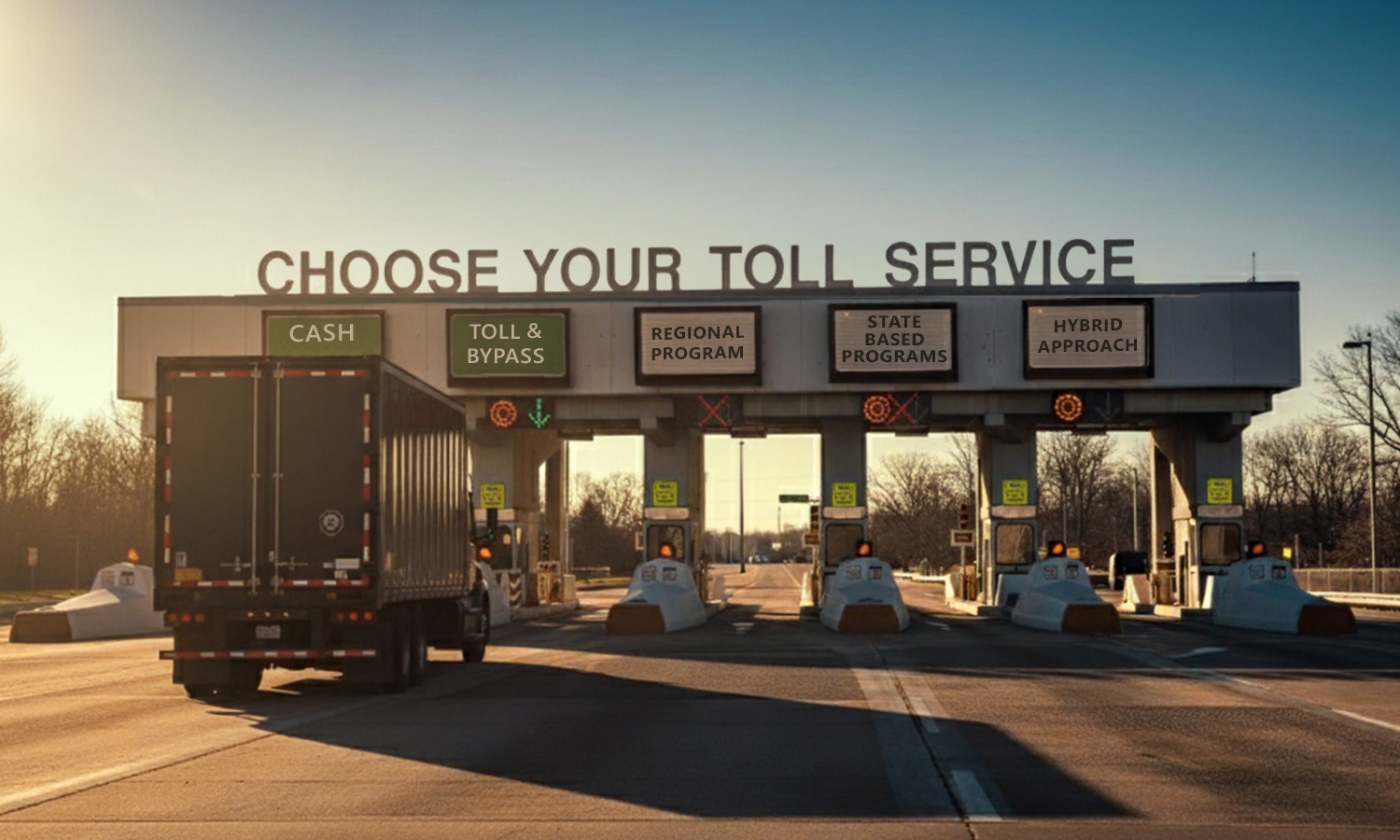
1. Fleetworthy (Bestpass + Drivewyze) – Coast-to-Coast Toll Coverage and the Largest Bypass Network
Fleetworthy brings together Bestpass for toll management and Drivewyze for weigh station bypass into one fleet management technology suite. Together, they offer the most complete coverage and feature set available to fleets today:
- Nationwide toll management: Bestpass provides coast-to-coast coverage across all major U.S. toll roads, with one device, one bill, and consolidated customer support.
- Automated error resolution: The Automated Misread Identification Service (A.M.I.S.) detects tolling errors in real time and disputes them automatically, reducing administrative work.
- Largest bypass network in North America: Drivewyze covers over 900 fixed and mobile sites across 48 states and provinces… in fact, 70% more than PrePass.
- Drivewyze integrates directly with ELDs and telematics platforms, cutting hardware costs and deployment time.
- Added safety features: real-time In-cab alerts for sudden slowdowns, weather hazards, and high-risk areas, plus expedited inspections when a bypass isn’t granted.
By uniting toll management and bypass under one provider, Fleetworthy enables fleets to streamline operations, reduce delays, and gain clear visibility into costs.
2. E-ZPass for Fleets – Strong in the East, Limited Nationwide
E-ZPass is widely adopted in the eastern United States, covering toll roads from Maine down to Florida and west to Illinois. It’s an effective solution for fleets whose routes are concentrated in this region.
However, for national fleets, E-ZPass alone leaves major gaps. It doesn’t provide coast-to-coast coverage and requires supplemental programs to manage tolls outside its network.
3. PrePass Plus – Established Transponder-Based Option
PrePass is one of the longest-running names in the industry. Its PrePass Plus program combines weigh station bypass and toll management into a single transponder, offering convenience for fleets already invested in transponder hardware.
Strengths include:
- Strong agency relationships.
- Choice of Mobile App, Transponder, or both based on coverage needs
- Safety notifications for roadway hazards on their app
That said, PrePass’s bypass coverage is smaller than Drivewyze’s (about 514 sites compared to 900+) and transponder management adds complexity for fleets operating at scale.
4. Norpass and State-Based Programs – Localized but Fragmented
Some fleets rely on Norpass or state-specific bypass and toll programs. These can be useful in areas like Washington or Oklahoma, where transponders are still required.
But for fleets operating across dozens of states, these programs can create administrative burden by requiring multiple accounts, devices, and billing processes.
5. Hybrid Approaches – Combining Multiple Providers
A growing number of fleets mix solutions—using regional passes like E-ZPass alongside broader offerings such as PrePass or Fleetworthy’s suite. While this approach can patch coverage gaps, it often introduces inefficiency with multiple devices, overlapping accounts, and higher administrative overhead.
The Direction of the Industry
The landscape for tolling and bypass solutions is shifting toward integration and coverage scale. Fleets want fewer devices, simpler billing, and wider reach.
Regional programs will continue to serve localized needs, and transponder-based services like PrePass will remain a fit for fleets comfortable with traditional infrastructure. But the trend is clear: the future lies in coast-to-coast toll management combined with the largest available bypass network, delivered through modern, connected platforms.
For fleets seeking to minimize delays, cut costs, and keep drivers moving, the solutions that combine broad coverage with automation and integration are emerging as the clear standard.