

Few recent topics in trucking have sparked as much discussion as enforcement of the English language proficiency requirement, H2-B trucking visas, and the issuing of CDLs to non-residents (i.e., immigrants). Layer in debate over the claims of a driver shortage and the impact of immigration on driver wages, and it’s easy to wonder what’s at the root of it all.
Shortly after mandating that non-English speaking drivers be placed out-of-service, the Trump administration announced a pause on the issuance H2-B visas to truck drivers. The move was not coincidental. H2-B visas are issued to non-residents in cases where additional labor is temporarily needed (e.g., seasonal demand) due to an insufficient supply. Employers who petition on their behalf must assert that the H2-B workers will not undercut or suppress the wages of similarly employed U.S. workers.
What’s driving these policies?
These requirements get at the heart of what is generally driving the Trump Administration’s actions in trucking and immigration policies. Fleets have long contended that there is a labor shortage, pointing to an American Trucking Association’s (ATA) calculation that the industry is short up to 80,000 drivers a year. As such, fleets have sought increasingly creative ways to fill seats.
For example, a report from ATA’s research arm, the American Transportation Research Institute, suggested fleets explore new pools of applicants including “justice-involved” individuals (e.g., those with criminal records) and former foster youth. It makes sense then that fleets would also explore avenues like hiring H2B visa-holders to move American’s goods by truck.
Is there a driver shortage or is this about wages?
Other groups, including those that primarily represent owner-operators and small fleets, strenuously dispute ATA’s driver shortage claims. They claim the driver shortage reflects low wages and poor working conditions which often include unpaid time at shippers’ docks waiting to be loaded or unloaded. They bolster their position by citing the number of new CDLs issued annually, which dwarfs ATA’s claimed driver deficit. Moreover, they argue that creative recruiting efforts, especially the issuance of H2-B visas, undeniably serve to undercut and suppress wages.
This debate in trucking, it seems, is merely part of a larger debate across the country about immigration and wages. Many economists believe Trump’s policies on immigration will have a positive effect on wages. It makes sense then that the Administration would impose policies in trucking consistent with that aim.
However, onlookers should keep expectations low. The English language enforcement policy has impacted less than 1% of the truck driving population. Also, H2-B Visas were only issued to 1,500 truck drivers this year. In other words, the true impact will be minimal.
What’s all the buzz about licensing?
States are generally required to issue CDLs only to residents – those domiciled in their respective states. There is an exception, however, that allows states to license drivers who are domiciled elsewhere. The exception was originally designed to aid driving schools that also serve as third party licensing authorities on behalf of state agencies. These schools often recruit drivers from out-of-state.
However, states also use the provision to license drivers who are principally domiciled outside of the country, such as immigrants and H2-B visa holders. Before issuing a CDL, though, the state must obtain evidence of the applicant’s lawful immigration status – such as an H2B visa.
Some states have failed, on occasion, to follow the specific requirements for issuing non-domiciled CDLs. For instance, such CDLs are not to be issued to Mexican or Canadian drivers, since CDLs from their home countries hold US CDL equivalency. Also, some states have issued CDLs beyond the term of applicant’s lawful status, such as the visa expiration date.
Driver Qualification – A wake-up call for fleets
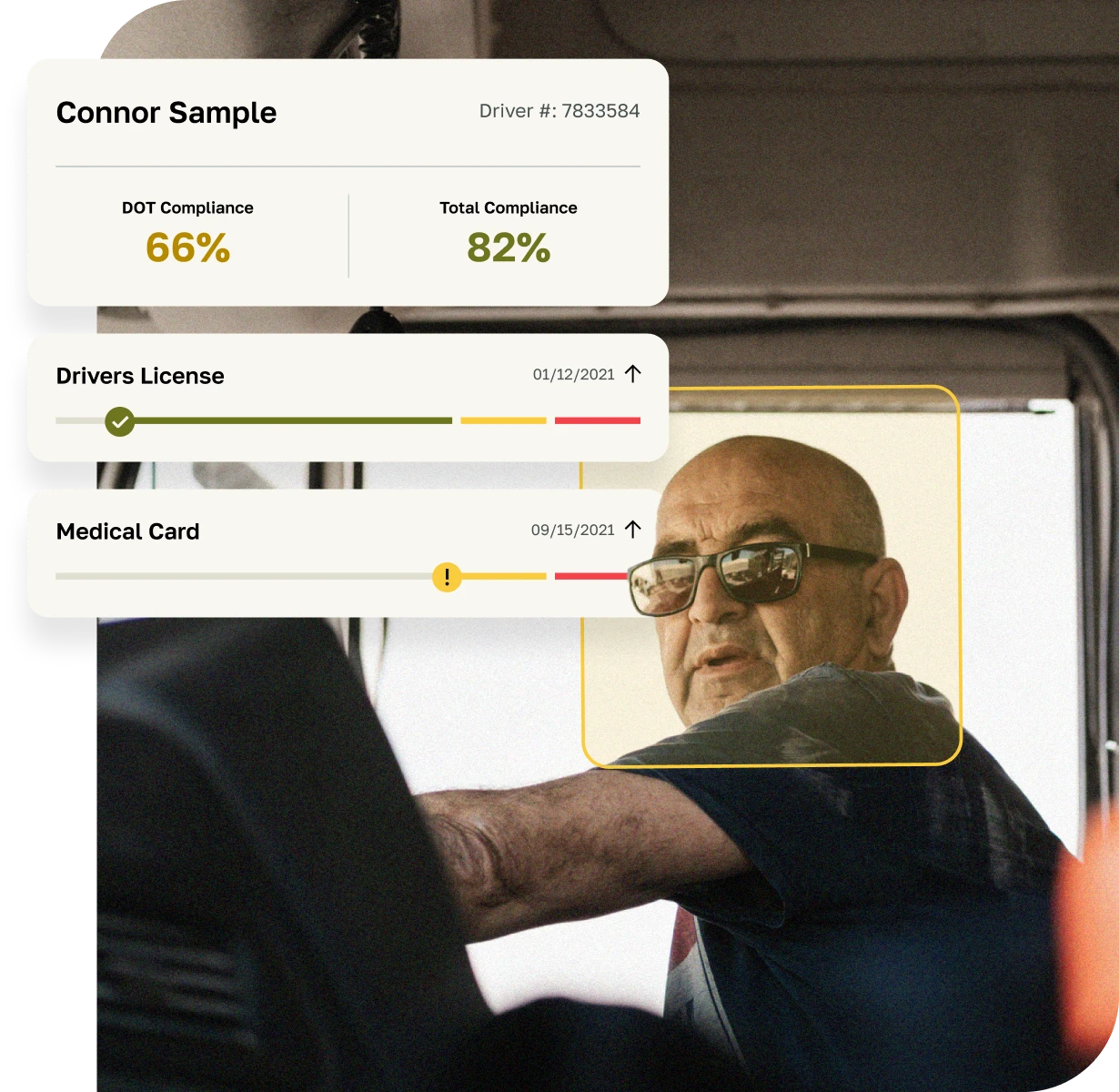
The recent enforcement of English language proficiency and licensing standards underscores the importance of validating each driver’s qualification. No fleet wants to find their driver sitting on the roadside, having been placed out of service, and fleets don’t want to deal with the sudden loss of labor at a time when state and Federal officials are scrutinizing the validity of drivers’ licenses. Being proactive is important.
Here are steps I recommend:
- Verify visa and CDL status independently. Don’t rely solely on the fact that your drivers hold licenses issued by the states. Be sure your drivers meet the qualifications for holding a non-domiciled CDL, if applicable.
- Test English proficiency internally before assigning long-haul routes. Don’t “wait-and-see” what roadside inspectors determine.
- Track regulatory changes related to English proficiency, CDL enforcement, and visa programs.
Ultimately, compliance is not just about avoiding penalties. It’s about being safe and efficient.
At Fleetworthy, we talk a lot about helping fleets go beyond compliance. That means recognizing that compliance is a minimum standard, not a checklist. As the regulatory and political landscape evolves, fleets that stay informed, invest in their people, and validate their compliance processes will come out ahead.
That’s not just smart business – it’s the right thing to do.