Driver Qualification File Management
Simplify one of fleet compliance’s most complex requirements by centralizing records, tracking expirations, and keeping every driver audit-ready.
Learn More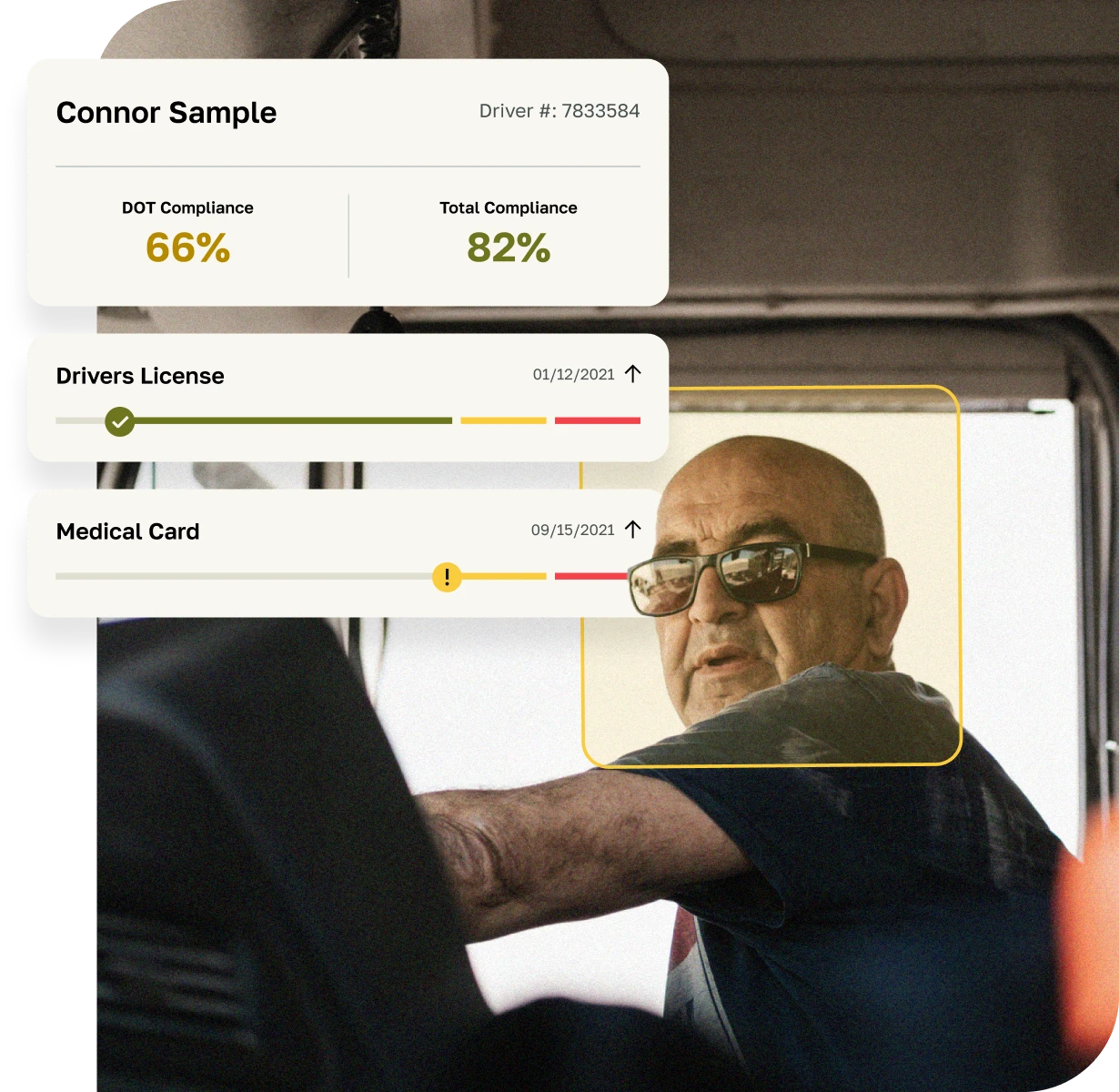
Driver Qualification File Management
Simplify one of fleet compliance’s most complex requirements by centralizing records, tracking expirations, and keeping every driver audit-ready.
Learn More
Join us for our 2026 Roadshow
Learn more about Fleetworthy's vision for the future, and how we can help your fleet stay ready in all circumstances
Learn More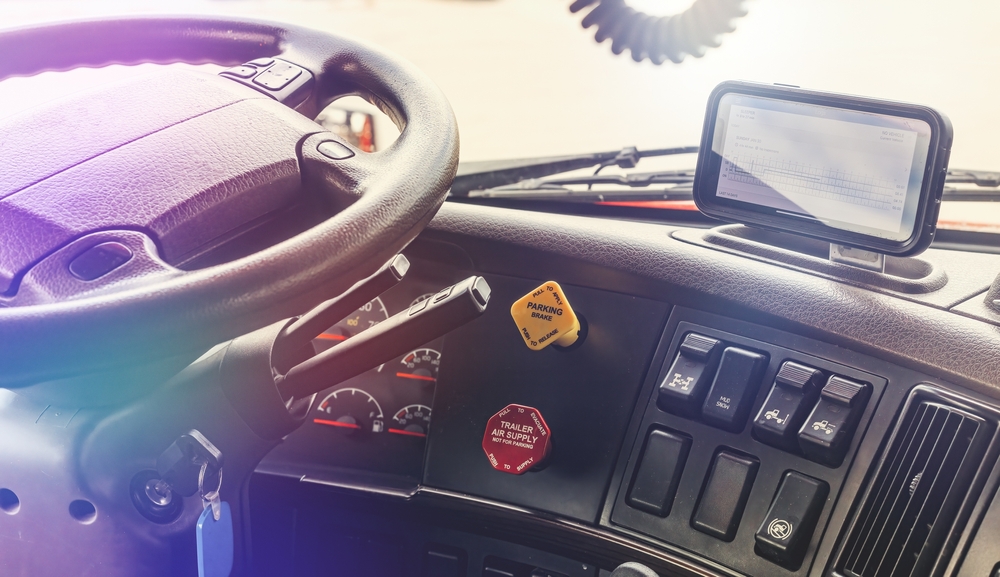
Electronic Logging Device (ELD) compliance refers to meeting the Federal Motor Carrier Safety Administration (FMCSA) mandate that requires most commercial drivers to use electronic devices to record their Hours of Service (HOS). ELDs automatically track driving time, engine hours, vehicle movement, and location data to ensure drivers follow federal rest and driving limits.
To be compliant, fleets must use FMCSA-certified ELDs, maintain accurate records, and ensure drivers understand how to use the devices properly. Carriers must also keep supporting documentation, such as inspection reports, training logs, and data transfer records, in case of an audit or roadside inspection.
Non-compliance can result in fines, citations, and potential out-of-service orders. Proper ELD compliance not only prevents violations but also improves safety, reduces paperwork, and provides carriers with better visibility into operations.
In short, ELD compliance is about more than just following the mandate, it’s a key part of maintaining legal, safe, and efficient fleet operations.
The Electronic Logging Device (ELD) mandate, issued by the Federal Motor Carrier Safety Administration (FMCSA), requires most commercial drivers to use electronic devices to automatically record Hours of Service (HOS). The goal is to improve road safety, reduce fatigue-related accidents, and simplify compliance with federal regulations.
For carriers, ELD compliance means not only installing certified devices but also ensuring drivers and staff use them correctly and records are maintained for inspections and audits.
Certified Devices
Fleets must use FMCSA-registered ELDs.
Devices must meet technical specifications for recording driving time, engine hours, and vehicle movement.
Accurate Hours of Service Recording
ELDs automatically track drive time and duty status changes.
Drivers must certify logs and annotate when necessary.
Data Transfer & Record-Keeping
ELDs must be able to transfer data electronically during roadside inspections.
Carriers must retain records of driver logs and supporting documentation.
Driver Training
Drivers must understand how to log in, update duty status, annotate records, and transfer data during inspections.
Training should also cover what to do if an ELD malfunctions.
Regulatory Protection: Avoid fines, penalties, and out-of-service orders by meeting FMCSA requirements.
Improved Safety: Enforcing HOS limits reduces fatigue-related accidents.
Operational Efficiency: ELDs eliminate paper logs, saving time and reducing administrative errors.
Real-Time Visibility: Fleet managers gain better oversight into vehicle location, utilization, and driver behavior.
Insurance & CSA Score Advantages: Strong compliance can lower insurance premiums and improve CSA scores.
Device Malfunctions — Fleets must have backup procedures if an ELD fails.
Driver Resistance — Some drivers resist the transition from paper logs.
Data Management — Ensuring records are accurate, annotated, and properly stored can be complex.
Regulation Updates — FMCSA periodically updates technical requirements, requiring ongoing monitoring.
Choose Certified Devices Only: Always verify that ELDs are listed on the FMCSA’s approved registry.
Provide Ongoing Training: Train both drivers and managers on correct ELD use and compliance requirements.
Conduct Internal Audits: Review logs regularly to catch HOS violations before they become fines.
Integrate with Compliance Programs: Combine ELD data with overall fleet compliance efforts, including safety programs and audits.
Stay Informed: Monitor FMCSA updates for changes to HOS rules or ELD requirements.
Interstate Trucking Companies — Most commercial motor vehicles operating across state lines must comply.
Intrastate Carriers — Many states have adopted ELD requirements at the state level.
Exempt Fleets — Short-haul drivers, pre-2000 model vehicles, and certain agricultural operations may qualify for exemptions.
While ELD compliance focuses specifically on HOS tracking, it’s one part of the larger compliance picture. Fleet compliance also includes driver qualification files, vehicle inspections, drug and alcohol testing, and overall safety programs. Successful carriers integrate ELD compliance into their broader fleet compliance management system.
ELD compliance is more than a federal requirement, it’s a tool for safer, smarter fleet operations. By ensuring proper device use, training drivers, and integrating ELD data into compliance programs, fleets can protect themselves from penalties, improve safety and boost efficiency.
For fleets of all sizes, achieving and maintaining ELD compliance is a vital step toward building a reliable, compliant, and future-ready operation.