

When fleet leaders analyze costs, the obvious culprits come to mind first: fuel, equipment, insurance, and labor. But for many fleets, some of the most damaging expenses are hidden, lurking in inefficiencies, compliance gaps, and overlooked operational processes.
These hidden costs don’t always show up as a budget line item, but they drain profitability, create risk, and create a competitive disadvantage over time. By uncovering and addressing them, fleets can improve efficiency, safeguard their bottom line, and reduce exposure to unnecessary risk.
Here are seven of the most common hidden costs facing fleets today.
1. Tolling Inefficiencies and Violations
For many fleets, toll management is a messy web of transponders, multiple accounts, and inconsistent reconciliation. This leads to common but costly issues like:
- Paying duplicate toll charges
- Drivers using unapproved routes
- Missed disputes on toll misreads
- Administrative hours lost reconciling invoices
Over time, these errors add up to significant overspending.
How fleets can fix it: Modern toll management systems consolidate payments across jurisdictions, automate violation detection, and provide real-time visibility into toll spend. With analytics and error-detection tools, fleets can minimize overcharges and reduce the administrative burden of managing multiple tolling authorities.
2. Weigh Station Delays
Stopping at weigh stations may only take 10–15 minutes, but multiplied across hundreds of trucks and thousands of stops each year, the lost productivity is staggering. Beyond wasted fuel and time, weigh station delays can:
- Push drivers over HOS limits
- Lead to missed delivery windows
- Lower customer satisfaction
- Increase driver frustration and churn
How fleets can fix it: Weigh station bypass technology allows qualified trucks to clear inspection sites electronically, reducing downtime and fuel costs. Mobile-based solutions that integrate with in-cab systems can also provide drivers with real-time safety alerts—improving both efficiency and retention.
3. Compliance Penalties and Audit Risk
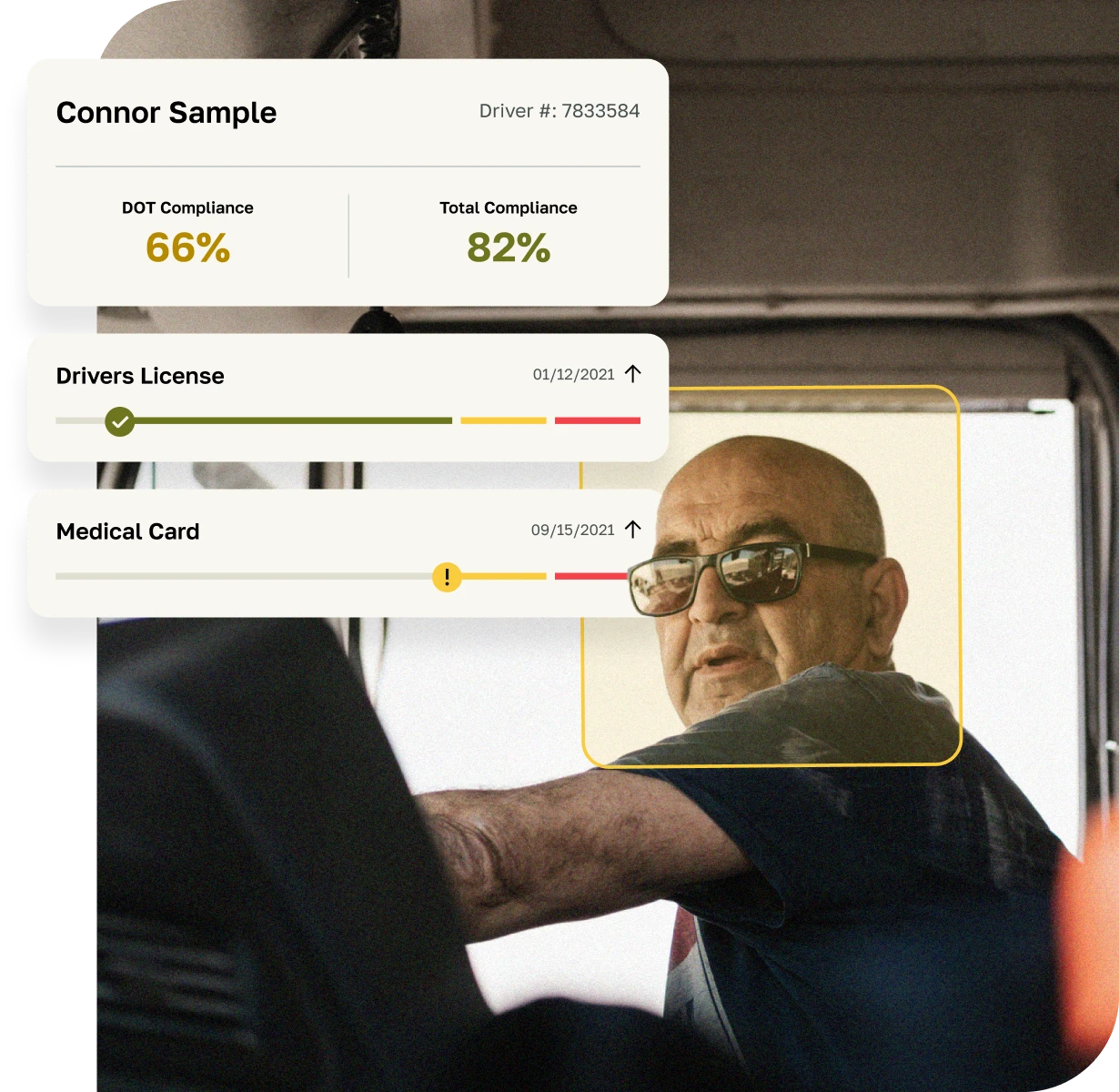
DOT audits, expired driver files, or missing maintenance records can trigger six-figure penalties and lost business when customers demand proof of compliance. Manual compliance processes are especially risky for fleets with multiple jurisdictions and high driver turnover.
How fleets can fix it: Compliance management platforms centralize records for driver qualification, Hours of Service, and vehicle inspections. Automated alerts for expiring items and digital recordkeeping keep fleets audit-ready, reduce violations, and streamline reporting.
4. Accident Costs and Legal Penalties
Even a single preventable crash can devastate a fleet financially. Beyond direct repair costs, fleets face rising insurance premiums, downtime, and in worst-case scenarios, multi-million-dollar “nuclear verdicts.” The true hidden cost is in preventable accidents that could have been reduced with better safety measures.
How fleets can fix it: Proactive safety technologies—such as in-cab alerts, continuous MVR monitoring, and data-driven driver coaching—help reduce preventable accidents. These tools not only cut down on liability but also strengthen a fleet’s long-term insurance position.
5. Asset Licensing and Permitting Delays
Every truck that sits idle due to licensing or permitting delays represents lost revenue. Yet many fleets still rely on manual, state-by-state processes to manage registrations, renewals, and permits. The cost of sidelined equipment often dwarfs the administrative expense.
How fleets can fix it: Automated licensing and permitting services streamline vehicle onboarding and renewals across jurisdictions. Digital record retention and expiration alerts ensure fleets stay compliant and minimize downtime.
6. Fuel Tax Mismanagement
Fuel tax reporting is another overlooked cost center. Fleets that overpay lose money they could reclaim, while underreporting risks IRS or DOT penalties. Manual reporting is not only inefficient but also leaves fleets vulnerable to audits.
How fleets can fix it: Automated fuel tax and mileage reporting tools ensure accuracy, reduce overpayment, and prepare fleets for audits. By integrating fuel, mileage, and GPS data, these solutions simplify reporting while minimizing financial risk.
7. Driver Onboarding and Retention Challenges
Driver turnover is expensive, costing thousands to recruit and onboard each new hire. Add in slow or error-prone onboarding processes, and fleets lose even more time and money. Meanwhile, drivers who face constant compliance headaches or delays are more likely to leave.
How fleets can fix it: Digital onboarding platforms and compliance automation reduce paperwork errors and speed up the hiring process. When paired with retention-focused tools like weigh station bypass and safety alerts, fleets can create a better driver experience while lowering administrative costs.
Taking Control of the Hidden Costs
Fleets can’t afford to ignore these hidden costs. While they don’t always show up on the balance sheet, they quietly erode profitability and introduce unnecessary risk.
The good news: today’s fleet leaders are finding ways to take control. By investing in technologies that cover toll management, weigh station bypass, driver and vehicle compliance, and fuel tax reporting, fleets can streamline operations, reduce costs, and strengthen safety programs.
Uncovering these hidden costs is the first step. Eliminating them is where fleets unlock real, lasting value.